
If you're feeling the pinch at the pump and the grocery store, you're not imagining it. The cpi data release for March shows inflation jumping to 3.3% year-over-year, up sharply from 2.4% in February. This inflation report marks the first full month of data since the Iran conflict erupted on February 28, and the numbers are deeply concerning.
Energy Costs Spiral Out of Control
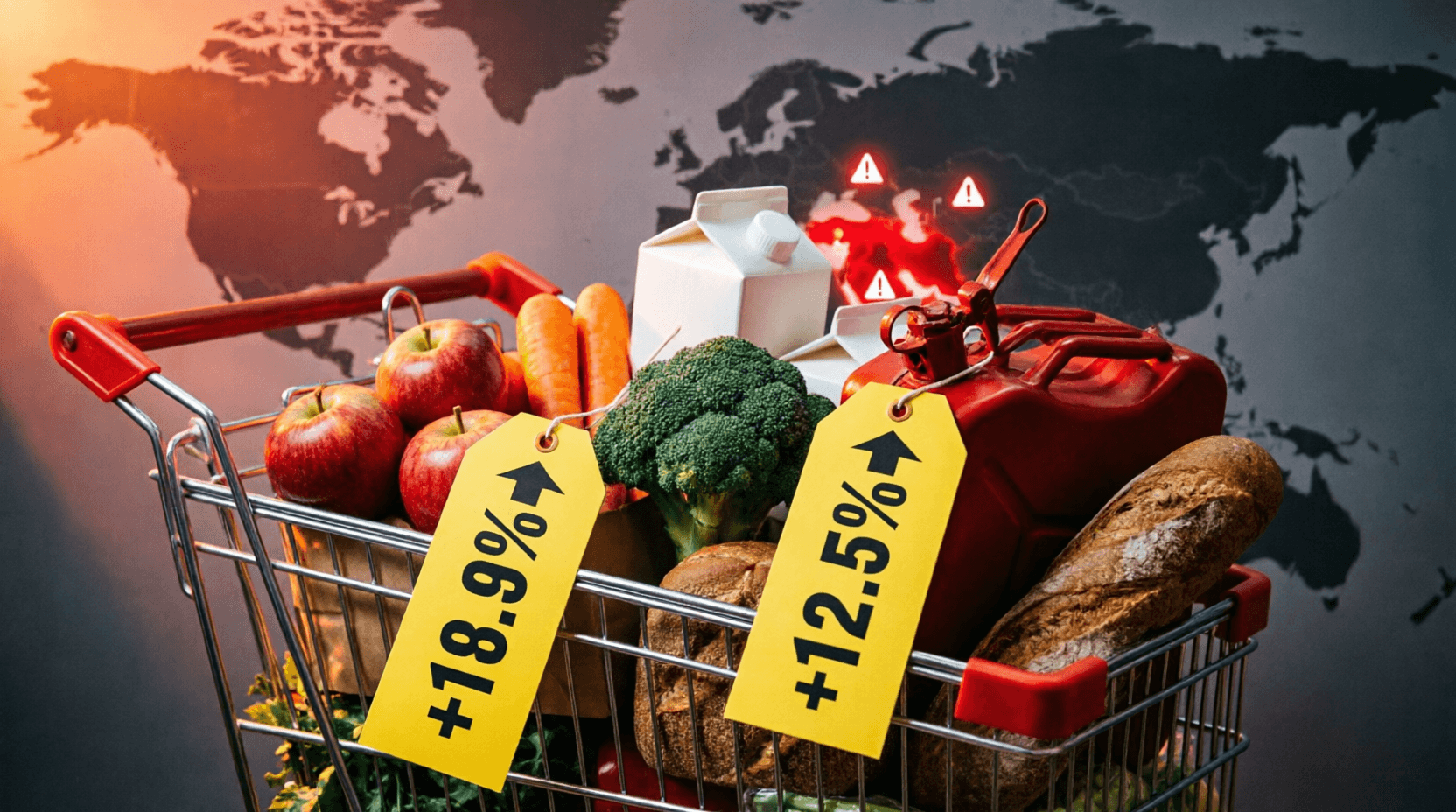
The cpi report reveals that energy prices have skyrocketed 12.5% overall, but the real shocker is gasoline, which surged an eye-watering 18.9%. Americans are now paying an average of $4.12 per gallon—the first time we've crossed the $4 threshold since 2022.
But it's not just gas. Electricity climbed 4.6%, while piped gas service jumped 6.4%. These aren't temporary blips; they're structural shocks that will ripple through every corner of the economy for months to come.
Food Prices: The Silent Squeeze
While overall food-at-home prices rose a "modest" 1.9%, the cpi data tells a more troubling story when you dig deeper:
- Fruits and vegetables: Up 4%
- Nonalcoholic beverages: Surged 4.7%
- Food away from home: Climbed 3.8%
- Cereals and bakery products: Rose 2.1%
Yes, meats and dairy actually declined (down 0.9% and 1.6% respectively), but economists warn this is cold comfort. Rising diesel costs mean higher transportation fees for getting food to stores, and fertilizer shortages threaten to push agricultural costs even higher in coming months.
Travel Becomes a Luxury Again
Perhaps the most dramatic increase outside of energy? Airline fares, which exploded by 14.9% according to the cpi today data. International travel has become particularly punishing—flights to Rome jumped from $846 to $1,165 in just weeks, while Hong Kong fares climbed from $1,042 to $1,403.
Airlines are implementing fuel surcharges, cutting routes, and raising baggage fees to offset jet fuel costs. If prices remain elevated, analysts predict ticket prices could rise another 17% over the next year.
The Hidden Costs Multiply
The inflation report shows concerning increases across other essential categories:
- Motor vehicle maintenance and repair: Up 6.1%
- Tobacco and smoking products: Surged 7.4%
- Medical care services: Rose 3.7%
- Apparel: Climbed 3.4%
- Rent: Increased 2.6%
Even e-commerce isn't spared—Amazon announced a 3.5% fuel and logistics surcharge starting April 17, while UPS and FedEx have already hiked their fuel charges.
Why This Won't Get Better Soon
Here's what keeps economists up at night: Iran has effectively blocked the Strait of Hormuz, choking off roughly 20% of global oil supply. Even with a fragile two-week ceasefire in place, the blockade largely remains intact.
Oil prices spiked from $70 to $118 per barrel and, while they've pulled back to around $96, they're still dangerously elevated. Experts warn we're facing the largest oil supply shock since World War II if the conflict drags on.
"The inflationary effects could take months to fully feed through supply chains," warns Thomas Ryan of Capital Economics. "If this is long-lasting, we're looking at leakage into virtually every area of consumers' budgets."
The Federal Reserve's Dilemma
The cpi data puts the Fed in an impossible position. Inflation is already well above their 2% target, and this energy shock threatens to derail progress entirely. While officials had planned to cut interest rates once this year, some now warn rate increases may be necessary if inflation becomes entrenched.
"Inflation is well above anyone's comfort level, and that's not going to get any better, at least in the next few months," says Moody's chief economist Mark Zandi. "Clearly, the war is doing significant damage."
What This Means for Your Wallet
The worrisome reality? This isn't a short-term spike. Even if peace breaks out tomorrow, the cpi report shows that prices rise like rockets but fall like feathers. Energy costs will take weeks or months to unwind, and some increases—like airline fees and shipping surcharges—may become permanent.
Core inflation (excluding food and energy) rose 2.6%, suggesting underlying price pressures remain stubborn. Used cars and trucks actually fell 3.2%, but that's one of the few bright spots in an otherwise dark picture.
The Bottom Line
The March cpi report today is a wake-up call. What started as a geopolitical crisis has become a household budget crisis. From the gas pump to the grocery store, from airline tickets to Amazon deliveries, Americans are facing a broad-based assault on purchasing power.
And the most troubling part? We're only one month into this conflict. If tensions escalate or the ceasefire collapses, the inflation report numbers could get significantly worse before they get better.
For now, the message is clear: brace yourself. The financial fallout from the Middle East crisis is just beginning to hit American wallets, and relief won't come quickly.
Image Suggestion for Blog:
A split-image composition showing:
- Left side: A gas pump display showing $4.12/gallon with a concerned person looking at it
- Right side: A line graph trending sharply upward in red, showing inflation trajectory from 2.4% to 3.3%
- Overlay text: "Inflation Alert: 18.9% Gas Price Surge"
- Color scheme: Red and orange tones to convey urgency and warning
- Style: Modern, clean, suitable for social media sharing
💬 Comments (0)
No comments yet. Be the first to share your thoughts!
Leave a Comment